
Why Environment Matters More Than Agenda
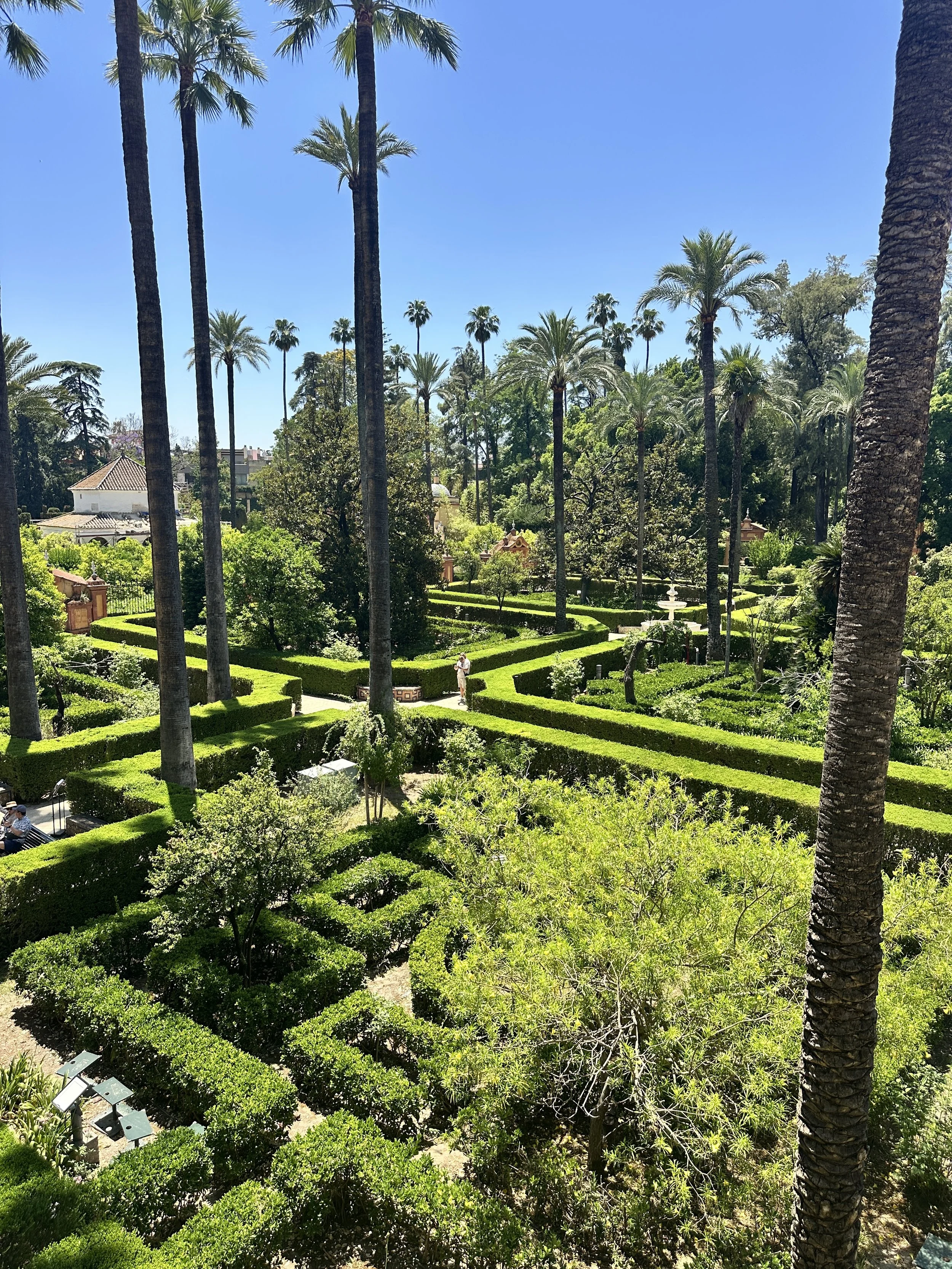
During my recent trip to Seville, Spain, I found myself captivated by the beauty of the Royal Alcázar.
The architecture was exquisite. Sunlight filtered through courtyards and archways. The gardens invited you to slow down and wander. Every detail felt intentional, from the intricate tilework to the placement of fountains, pathways, and gathering spaces.
What struck me most was not simply how beautiful it was.
It was how it made me feel.
Calmer.
More present.
More connected to myself and the world around me.
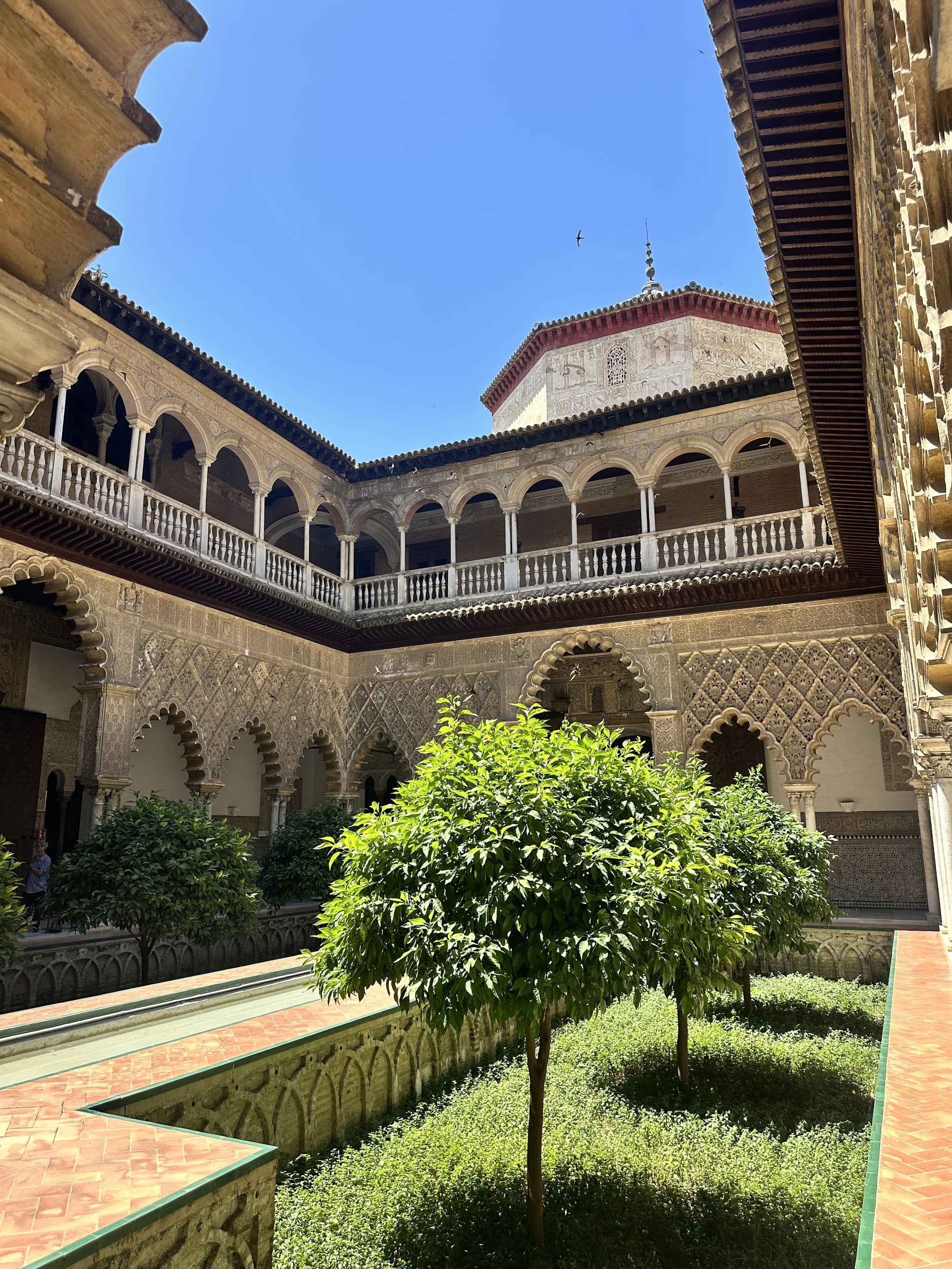
It reminded me that environment shapes experience in ways we often underestimate.
Today, we spend significant time planning agendas, presentations, and logistics. Yet one of the most overlooked elements of any event, retreat, or gathering is the environment itself.
Before a speaker takes the stage, before a meeting begins, before a single word is spoken, our nervous systems are already gathering information.
Are we safe?
Can we relax?
Can we focus?
Can we connect?
The environment helps answer those questions.
The science of space is becoming increasingly relevant as organizations seek to improve employee well-being, engagement, and performance. We know that environment influences the nervous system. It affects our ability to focus, learn, collaborate, and think creatively.
This is one reason why thoughtfully designed retreats and experiences often leave such a lasting impression.
People may not remember every presentation or discussion.
They remember how they felt.
I notice this in my own life as well.
Every time I leave Los Angeles and drive into the desert, something shifts.
The traffic fades behind me.
The sky opens.
The mountains appear.
The pace slows.
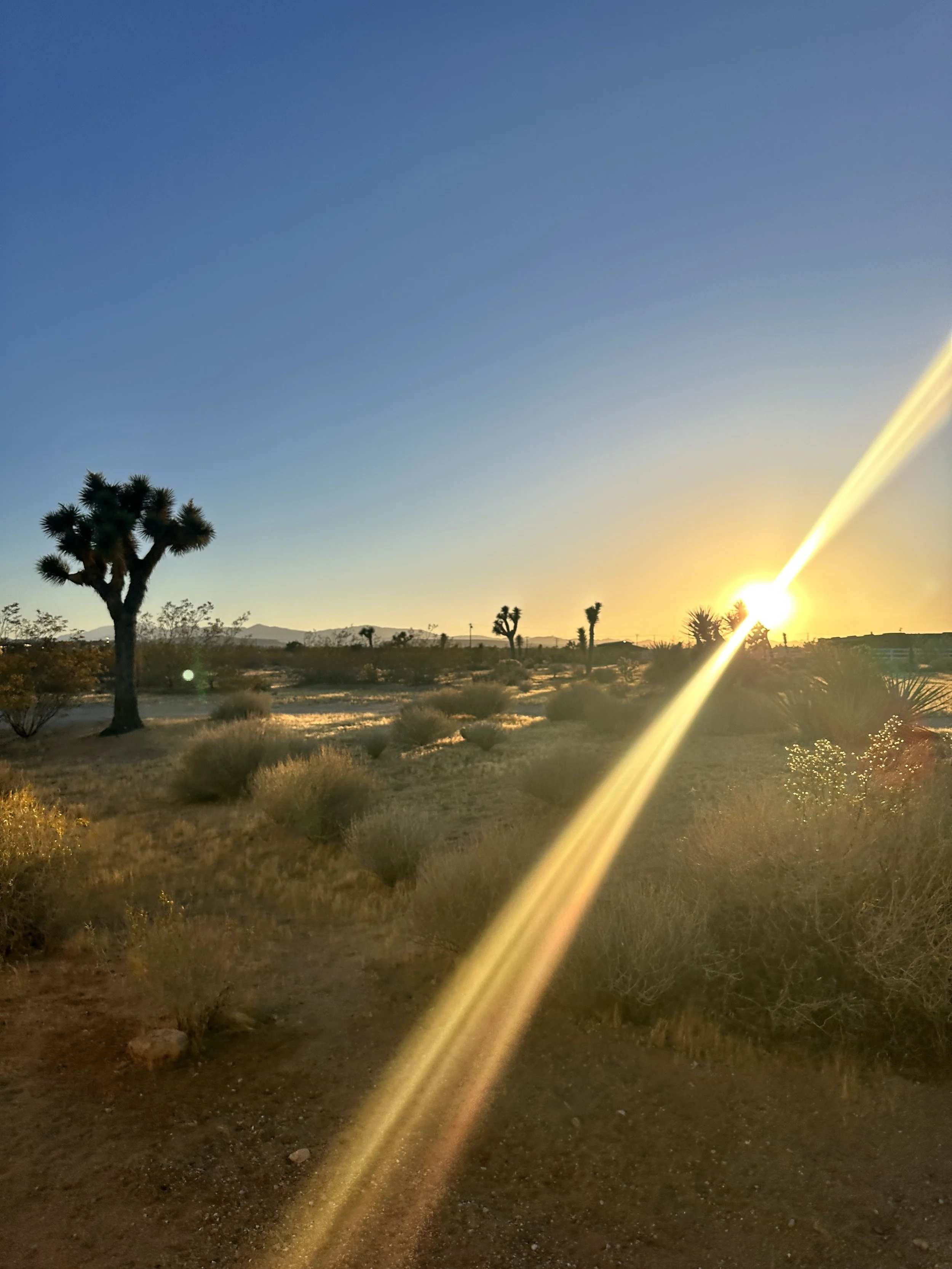
Without consciously trying, I find myself breathing more deeply. My shoulders soften. My mind becomes quieter.
Nothing has happened, yet everything feels different.
The environment has changed, and my nervous system responds.
This is why I pay close attention to the details when designing wellness experiences.
The setting.
The flow.
The arrival experience.
The small gifts and thoughtful touches that help people feel welcomed, valued, and cared for.
These details are not extras.
They are part of the experience itself.
The details make the difference.
For HR leaders, event planners, and retreat organizers, this presents an opportunity.
When we thoughtfully consider the environments we create, we support more than aesthetics.
We support focus, connection, learning, creativity, and resilience.
We create the conditions for people to show up more fully.
Environment matters because people matter.
And sometimes the most meaningful transformation begins long before the agenda.
Planning a Retreat, Offsite, or Corporate Event?
Thoughtfully designed experiences can support connection, focus, resilience, and well-being long before the agenda begins.
If you're exploring wellness programming for an upcoming retreat, leadership gathering, conference, or team event, I'd love to connect.